
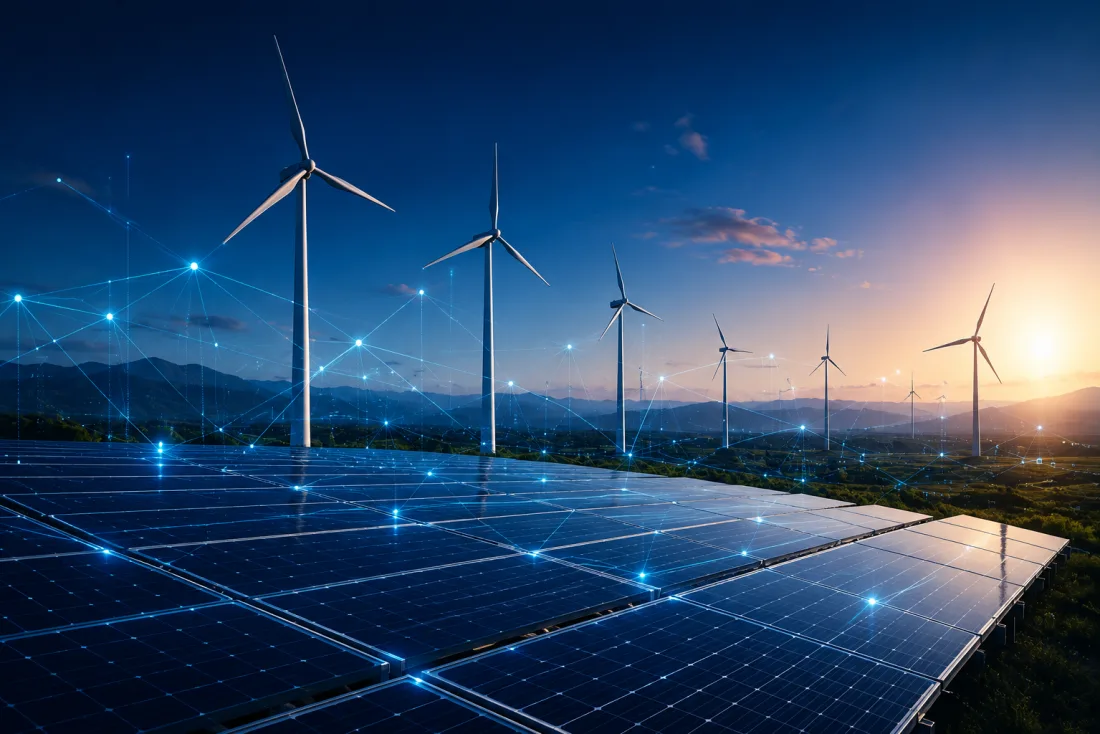
Energy systems are being asked to do several difficult things at once: decarbonize, remain affordable, integrate distributed and intermittent generation, and stay secure against a threat environment that now treats energy infrastructure as a strategic target. These pressures interact, and decisions taken for one frequently affect the others.
The security consequence of modernization
Grid modernization increases visibility and control, and with them the number of connected components. Smart metering, distributed generation, storage, remote monitoring and automated control each add operational value and each extend the attack surface into environments that were historically isolated.
Operational technology also behaves differently from corporate IT. Systems run for decades, cannot be patched on a routine cycle, and prioritize availability and safety above confidentiality. Security approaches imported unchanged from IT environments tend to fail here.
Four priorities for energy leaders
Separate what must not be reached
Clear segmentation between corporate networks, operational control systems and safety systems remains the single most effective structural control. It limits how far an intrusion can travel.
Know the supply chain
Equipment, firmware, integrators and remote-support arrangements all create pathways into operational environments. Assurance expectations should match the level of access granted.
Plan for degraded operation
The relevant question is not only how to prevent disruption, but how the system operates safely when monitoring, control or communications are unavailable. Manual fallback procedures need to exist and be practised.
Govern the transition as one programme
Decarbonization, digitalization and security are often governed separately, by different leaders on different timelines. Where they are coordinated, trade-offs are made deliberately rather than discovered late.
The regulatory direction
Expectations on critical infrastructure operators are tightening across most jurisdictions, with increasing emphasis on incident reporting, supply-chain assurance and demonstrable resilience rather than documented policy alone. Institutions that build the underlying capability tend to find compliance a by-product; those that build for compliance alone tend to find the capability missing when it is needed.
A leadership question, not a technical one
Energy security decisions involve accepting risk on behalf of customers, communities and, in many cases, national systems. Those decisions belong at board and executive level, informed by people who understand the operational reality. The organizations that manage this well are the ones where that conversation happens routinely, rather than after an incident has forced it.